The Trained Eye
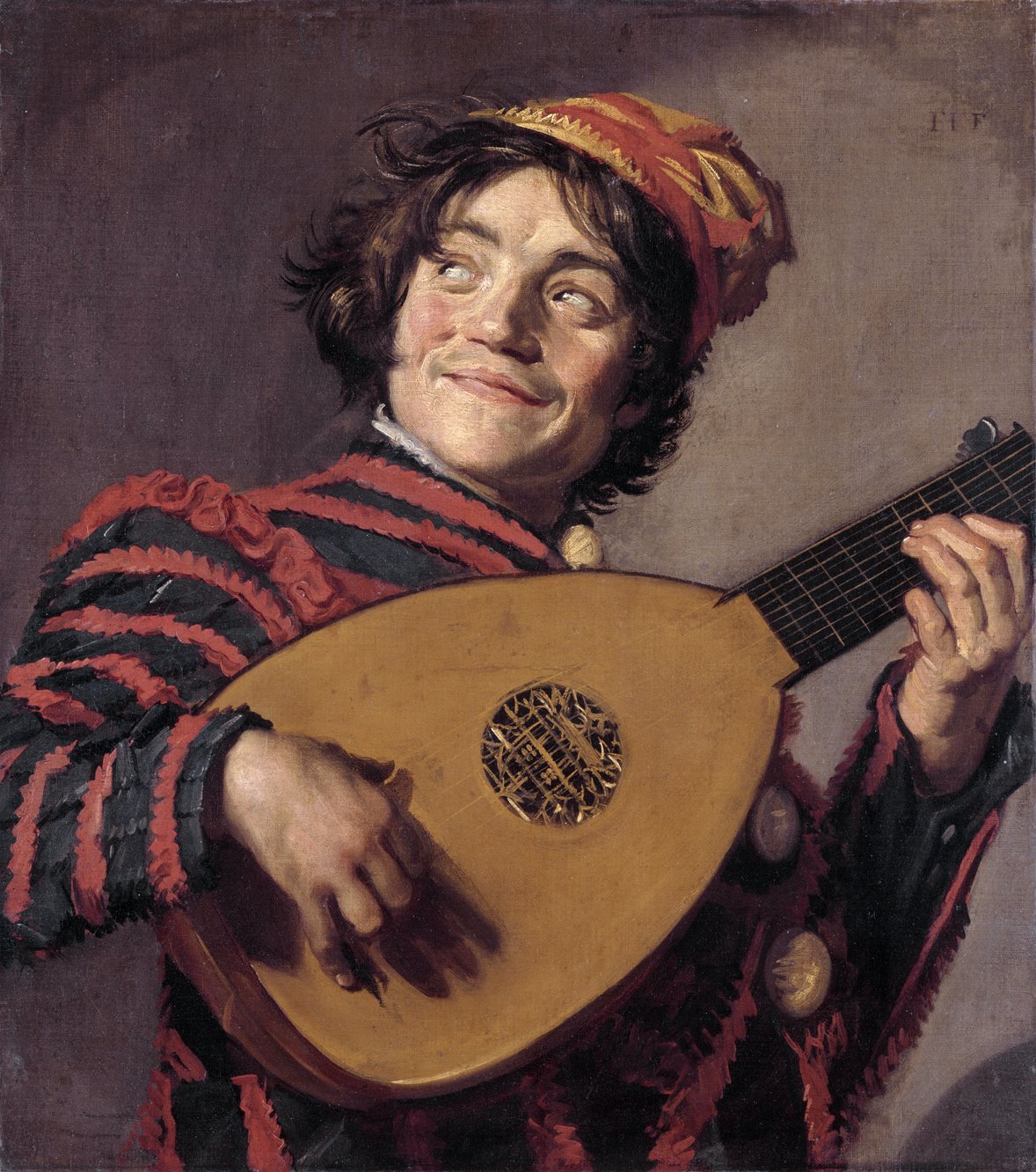
Golden Age Dutch master, Frans Hals the Elder, understood the power of expressiveness and emotion in portraits. He possessed the uncanny ability to capture spontaneity in a painting as evidenced by his (c)1623 masterpiece Le Bouffon au luth (The Lute Player). Imagine what he might have done with a camera.
Photographers inevitably size up the competition. It clarifies the field—and, frankly, I’m rarely impressed. Beyond lighting and framing, viewers make an instant judgment about a subject’s demeanor and expression. A knowing glance, a slight head tilt, the tension of a jaw: these subtleties speak volumes. Classically trained figurative artists have always understood this. Many headshot specialists, chasing formula over finesse, do not.
I often see portfolios filled with stiff smiles and awkward pauses. If those made the final cut, the rest of the shoot was likely worse — or the photographer simply lacked the eye to select the real gems. Editing, in this sense, isn’t about retouching. It’s about choosing the decisive frame.
A portrait session may yield hundreds of nearly identical images. Finding the one that reveals character demands a trained eye. My background as an illustrator and figurative artist taught me how a millimeter’s shift in a lip curve or eyebrow arc transforms the entire impression. Our brains are wired to read these micro-signals in an instant, just as we assess strangers at a first meeting or a film’s protagonist in a single shot.
This may sound obvious, yet many newcomers miss it. The headshot market has become a refuge for mid-career execs or downsized staffers seeking a second act behind the camera. How hard could it be? With step-by-step formulas from celebrity mentors, they can churn out technically competent work—like baking from a recipe—but competence is not mastery.
My path was different. Years as a magazine creative director taught me how to lead shoots, work with top photo editors, and make the final call on images that would appear in print. That training — coupled with my classical art background — honed my judgment to a fine edge.
That dual career is my secret advantage. I bring the discerning eye of an editor and the sensibility of an artist. Many newcomers simply don’t know what they don’t know.
